
What it means when costs fall 99%
The weird future of enterprise software

Two weeks ago, two colleagues and I made the most banal of logistics software: a web application to viewlists of shipments and adjust details about them Then, we made >100 divergent versions of it. I mean whole mechanics: layout, micro animations, text copy, fun easter eggs, etc. If we did this 3 years ago it would cost us ~$100k and take at least a month using a full team. But we did it in about 8 hours. It cost us less than $1k. That's a 99% cost reduction and 97% timeline reduction.
Here are 12 example screenshots. Keep in mind that every one of these is a fully functional application, not just a “design".
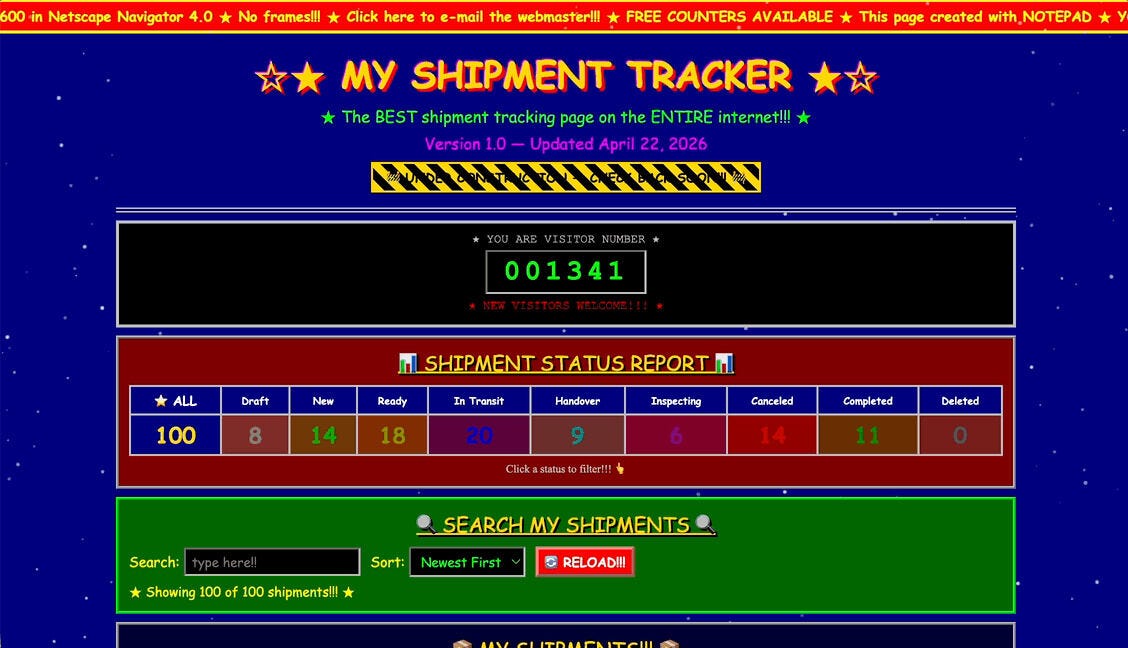
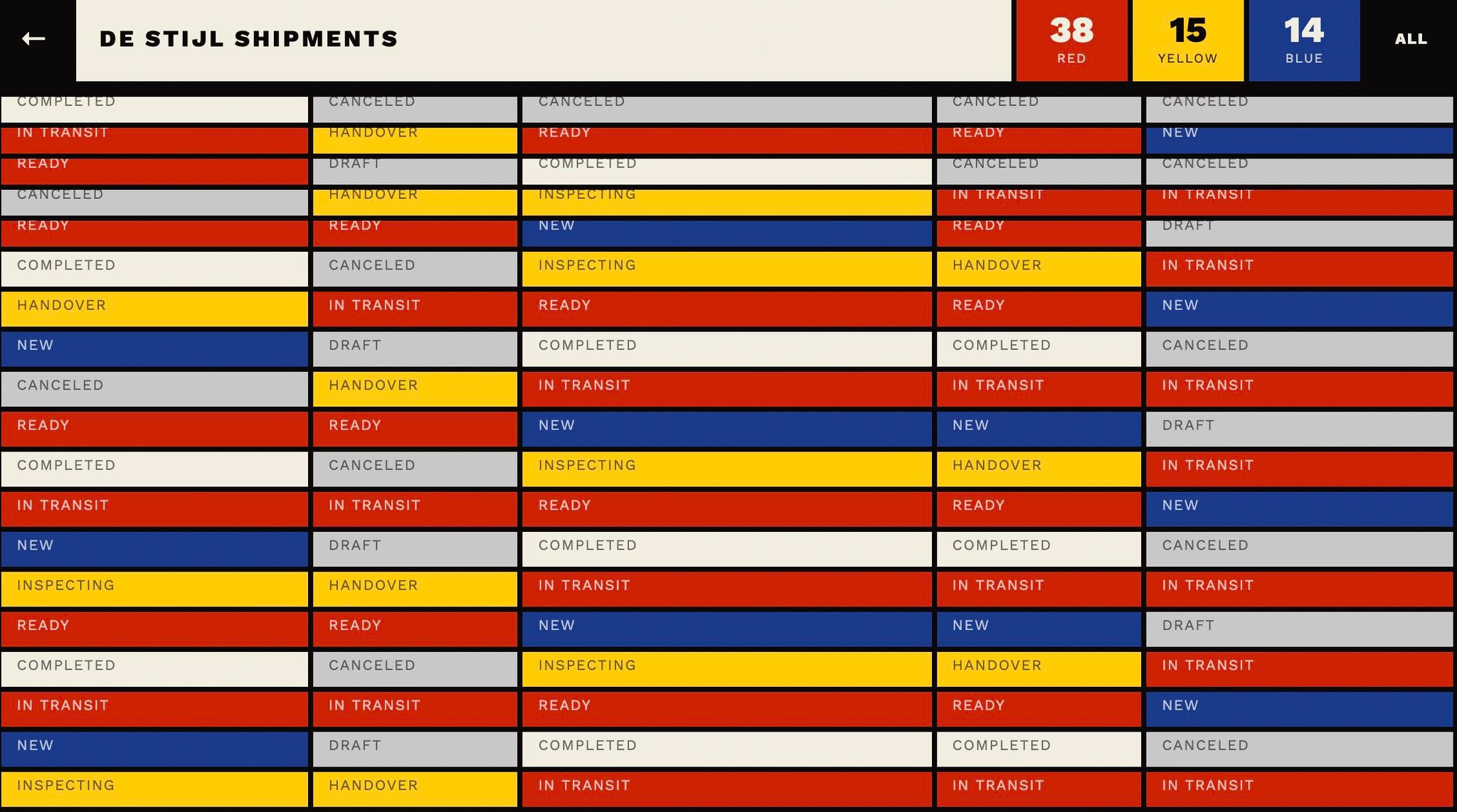
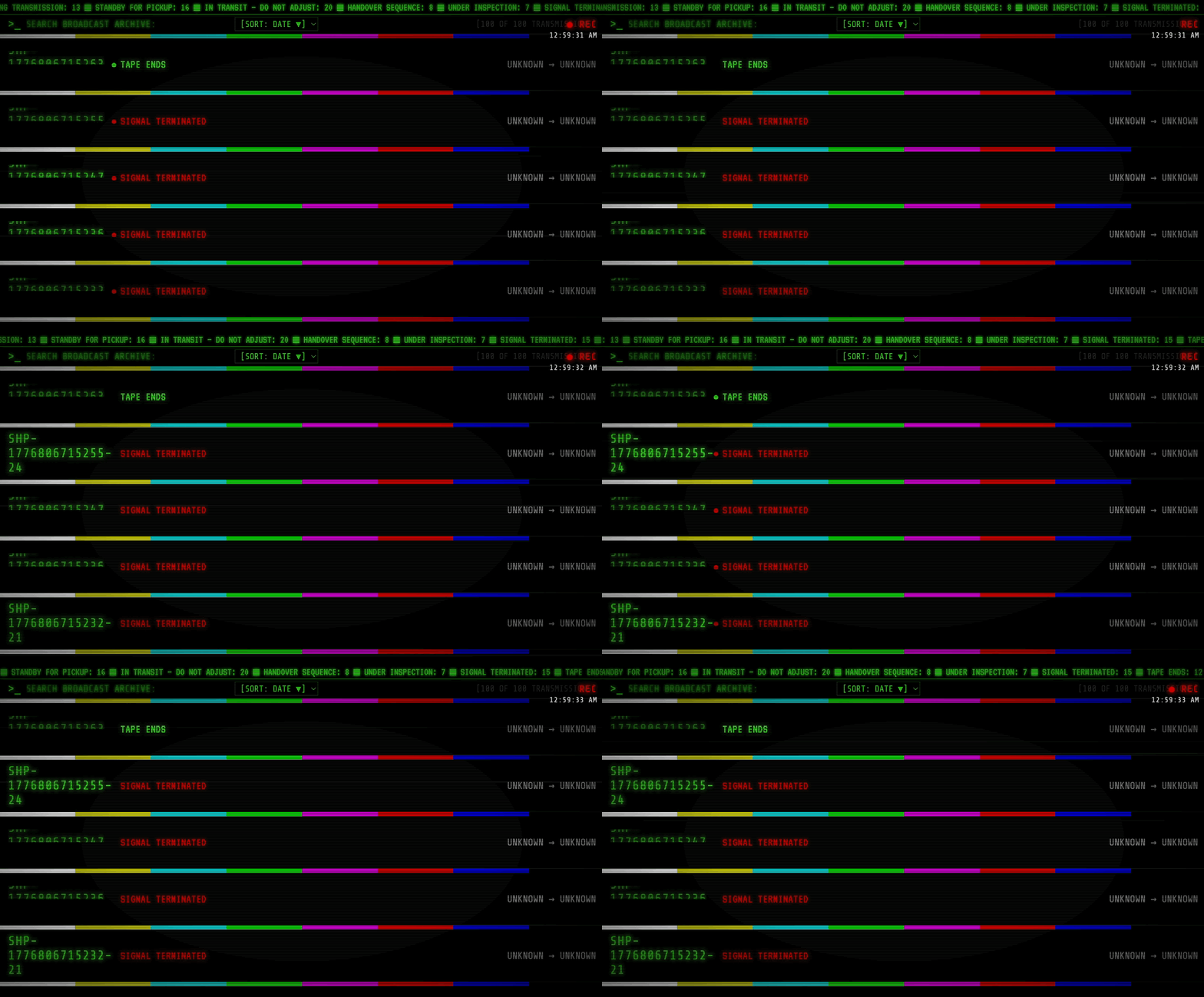
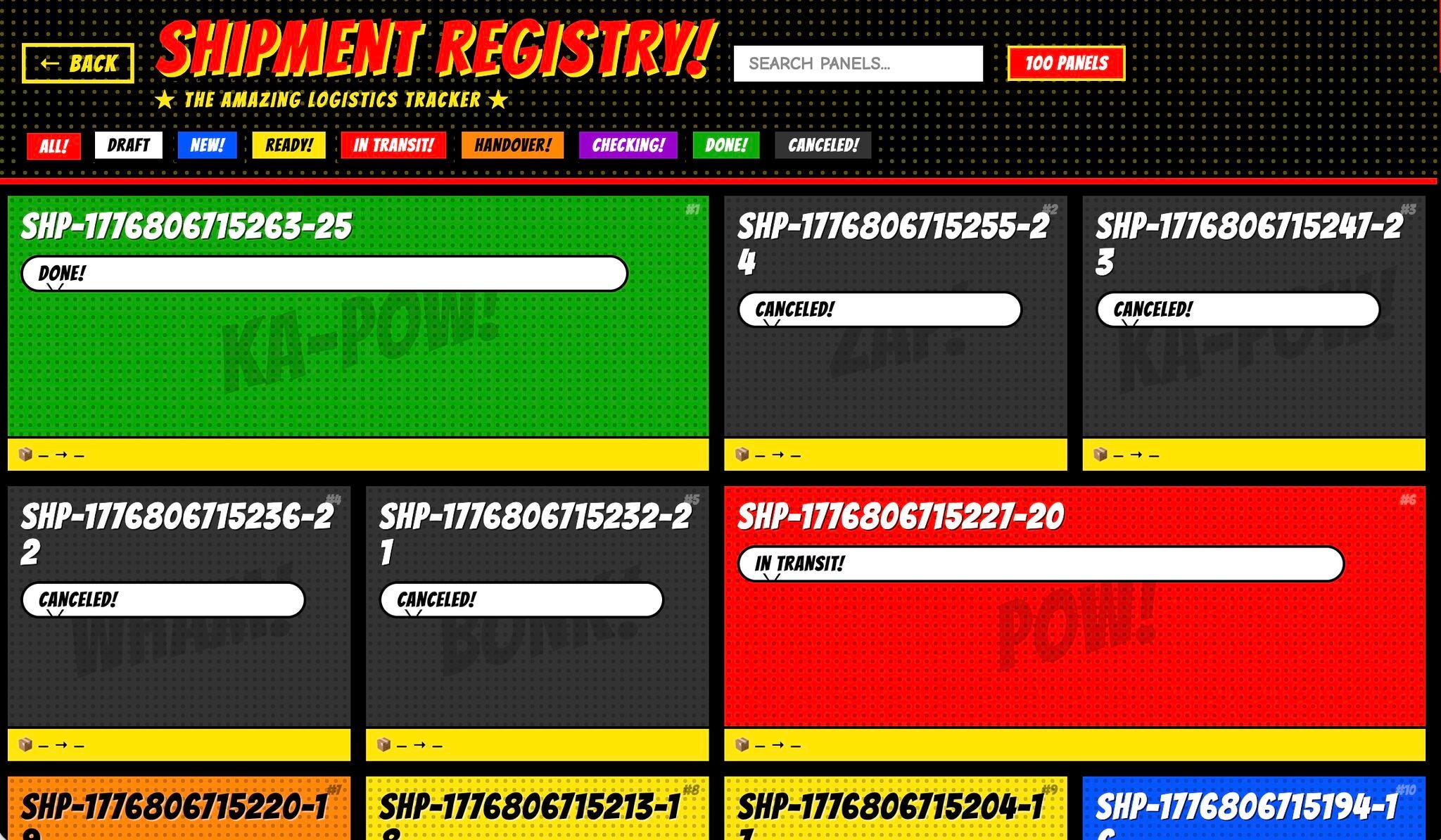
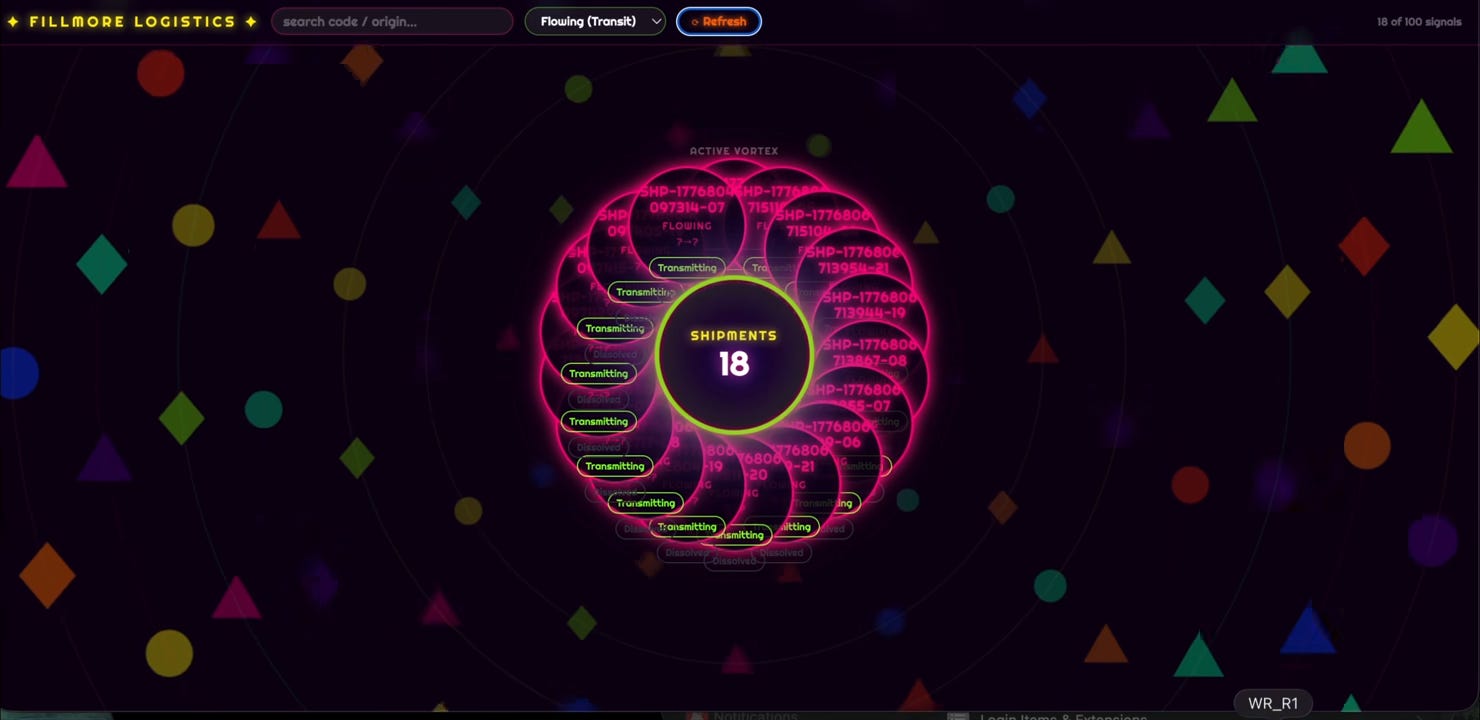
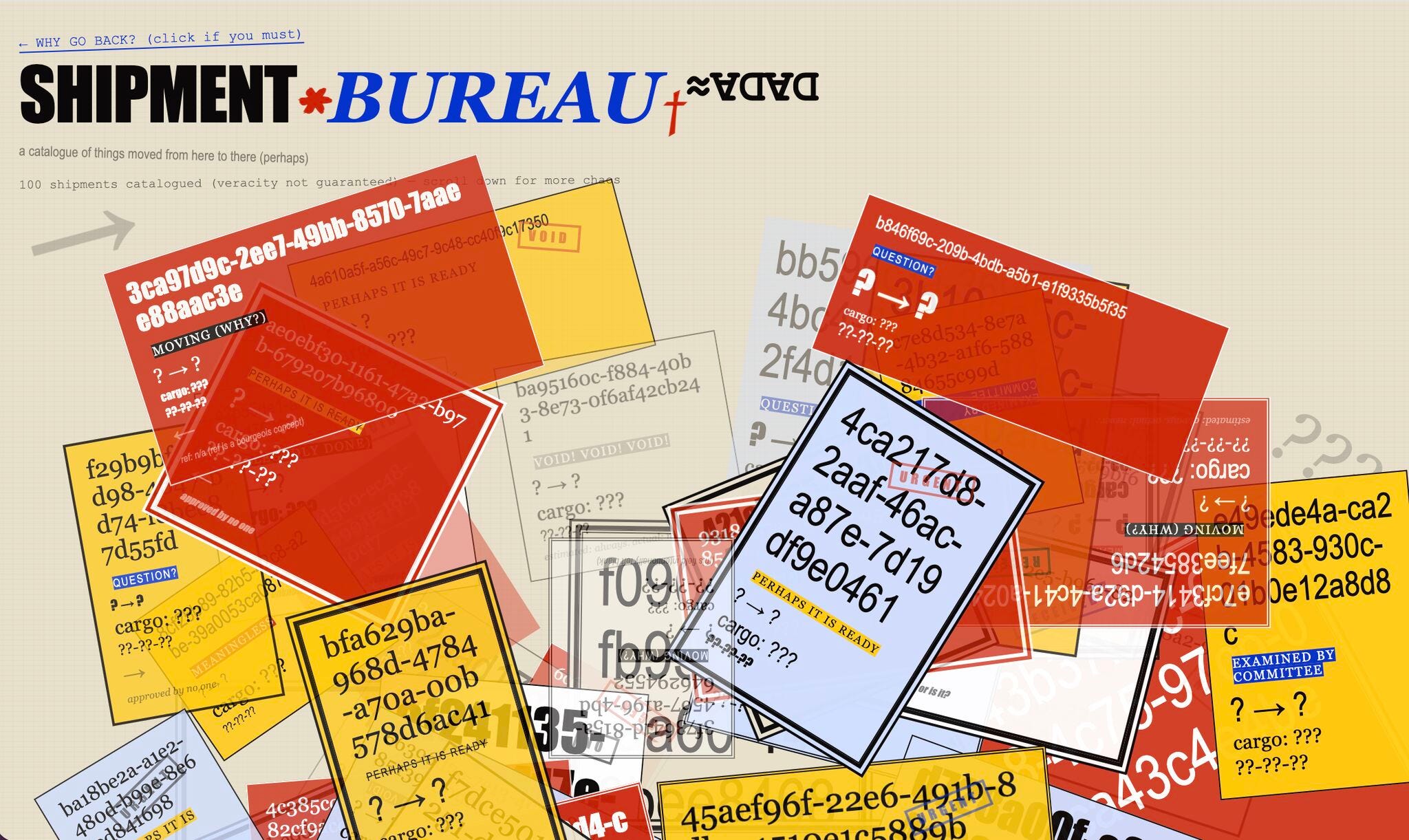
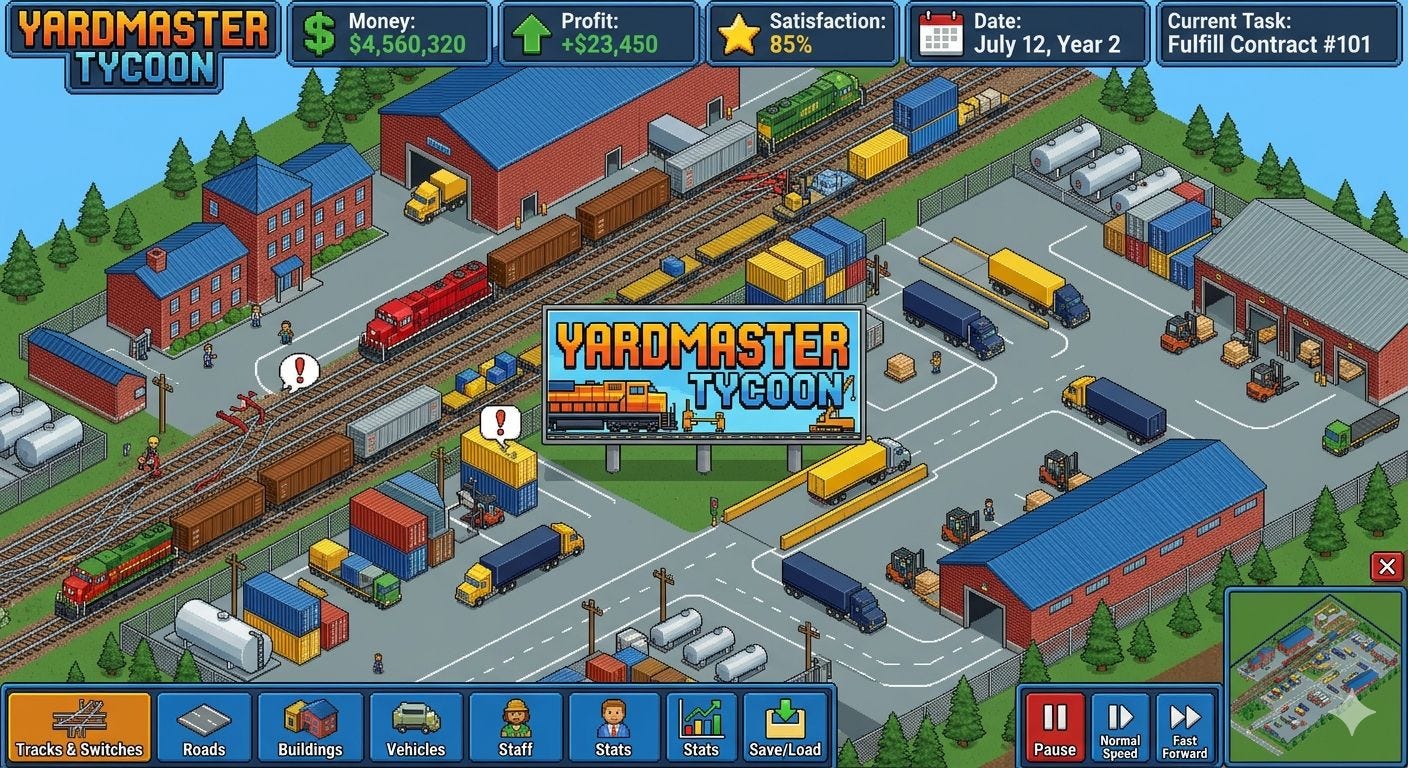
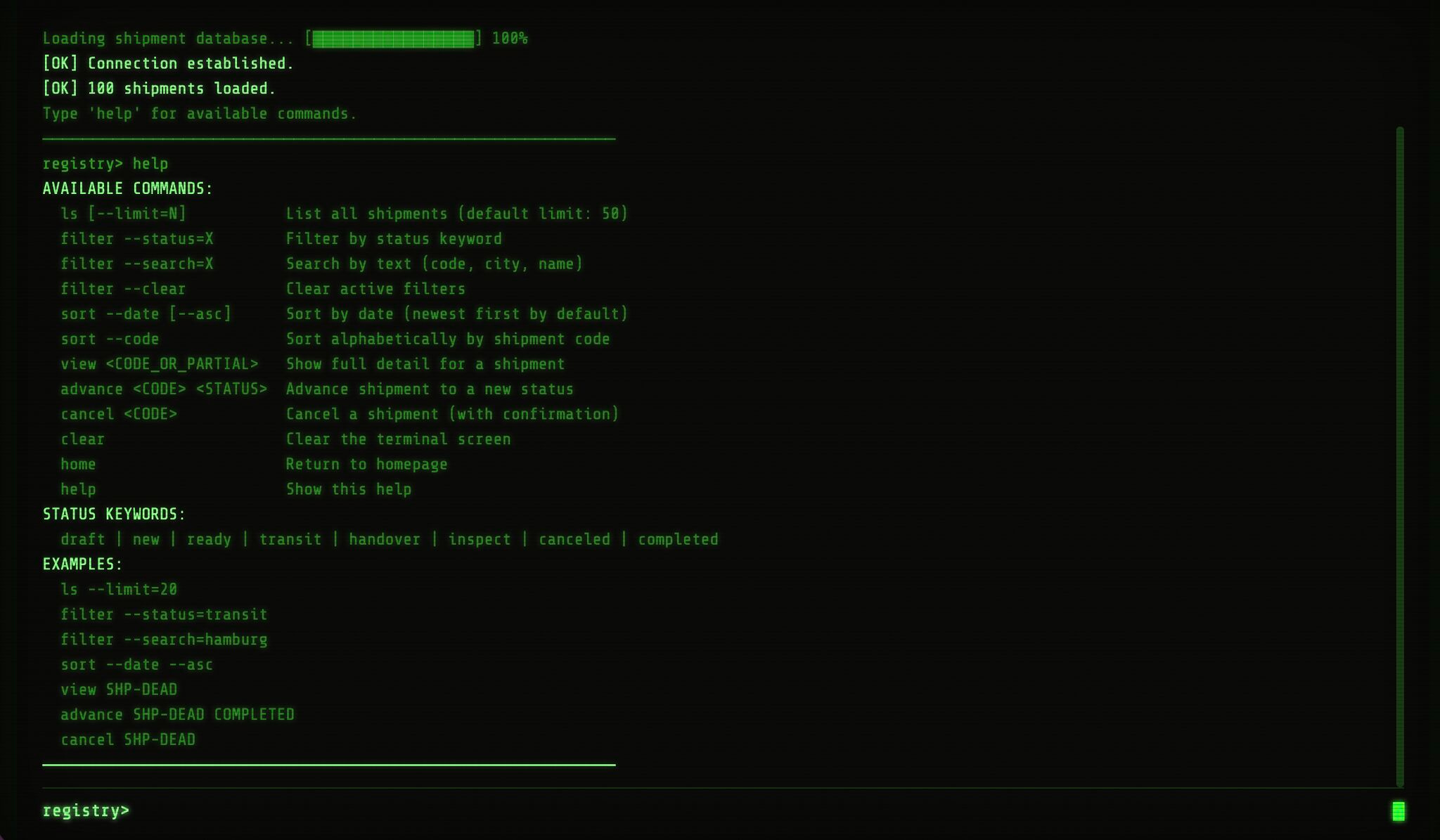
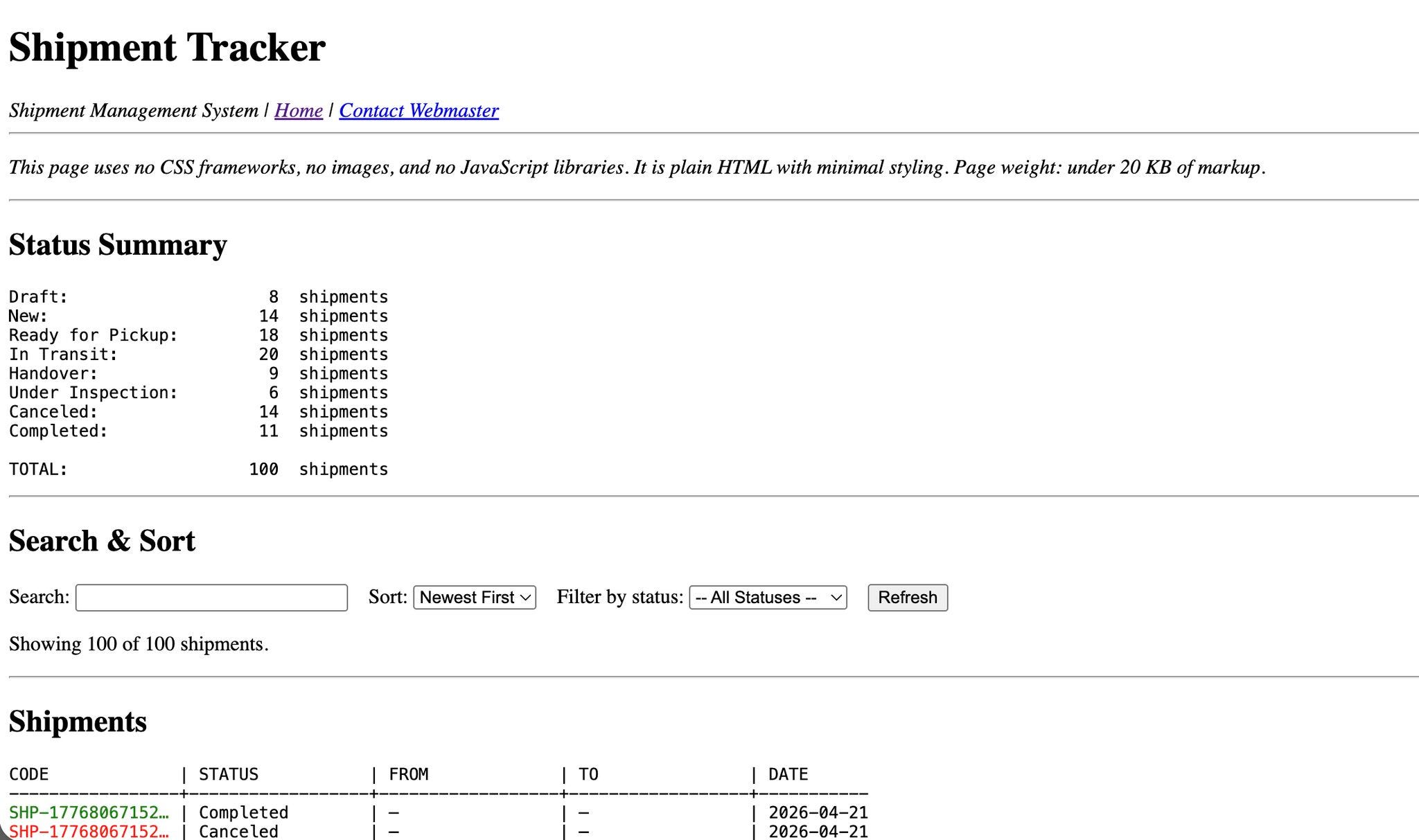
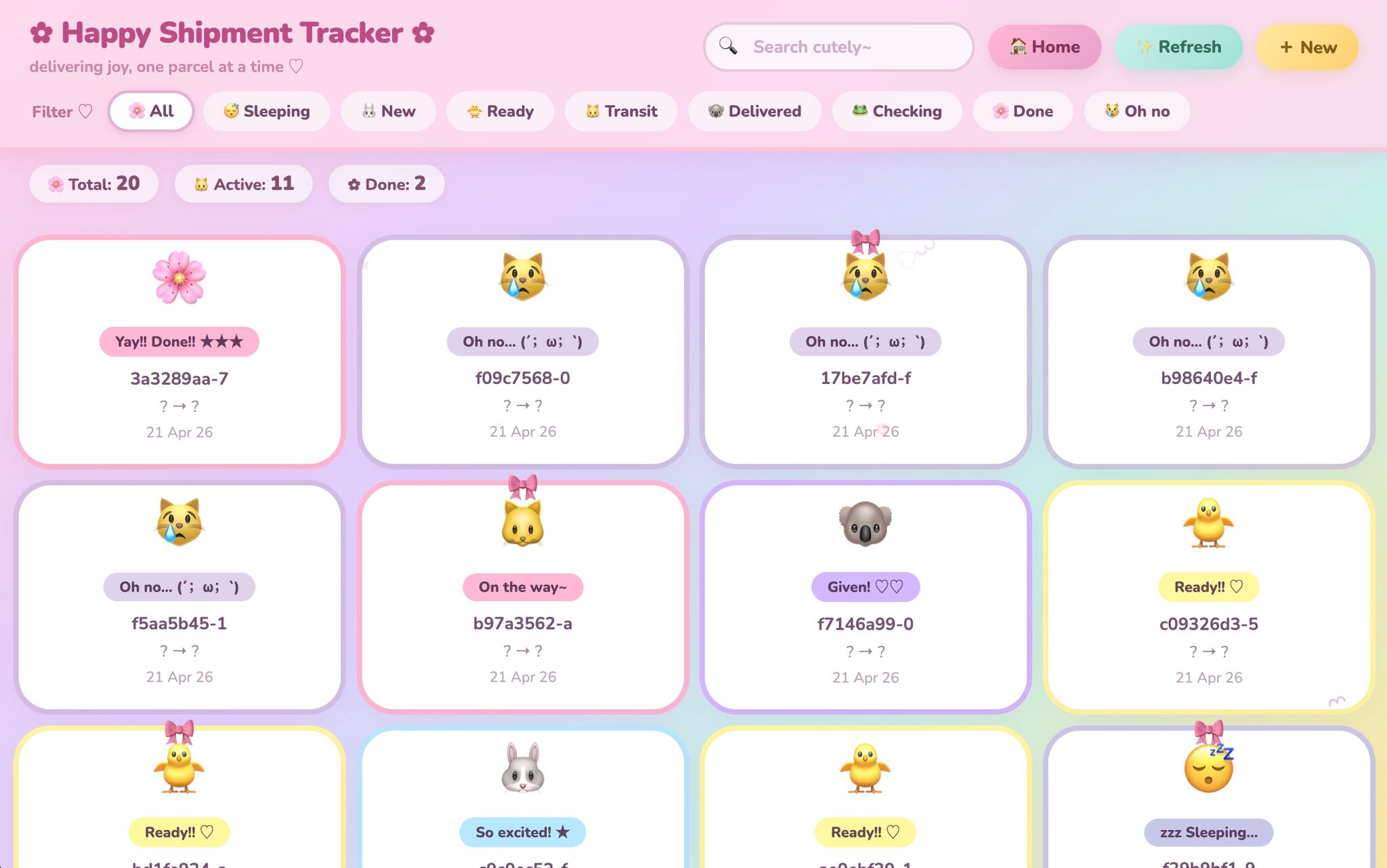
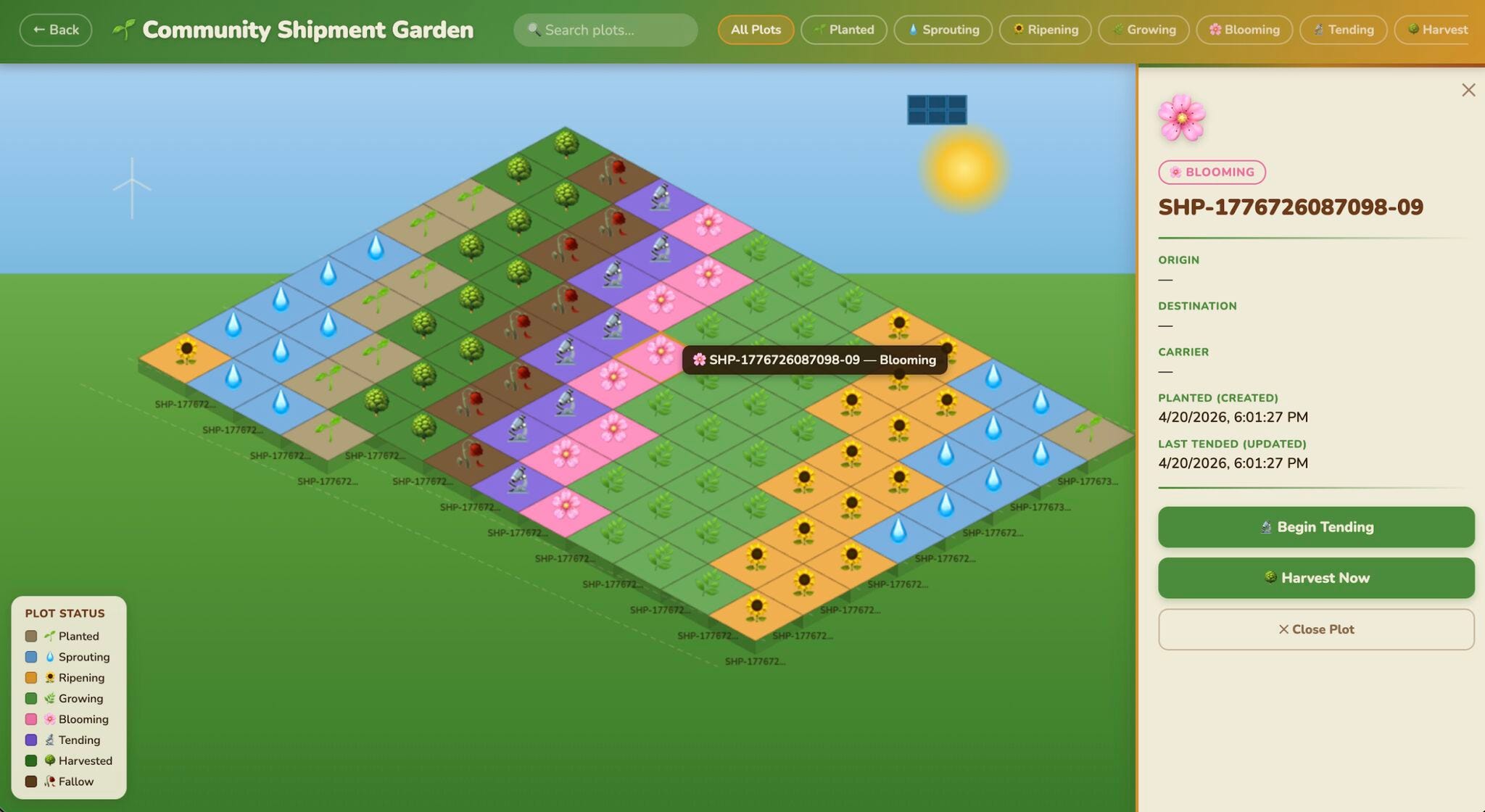
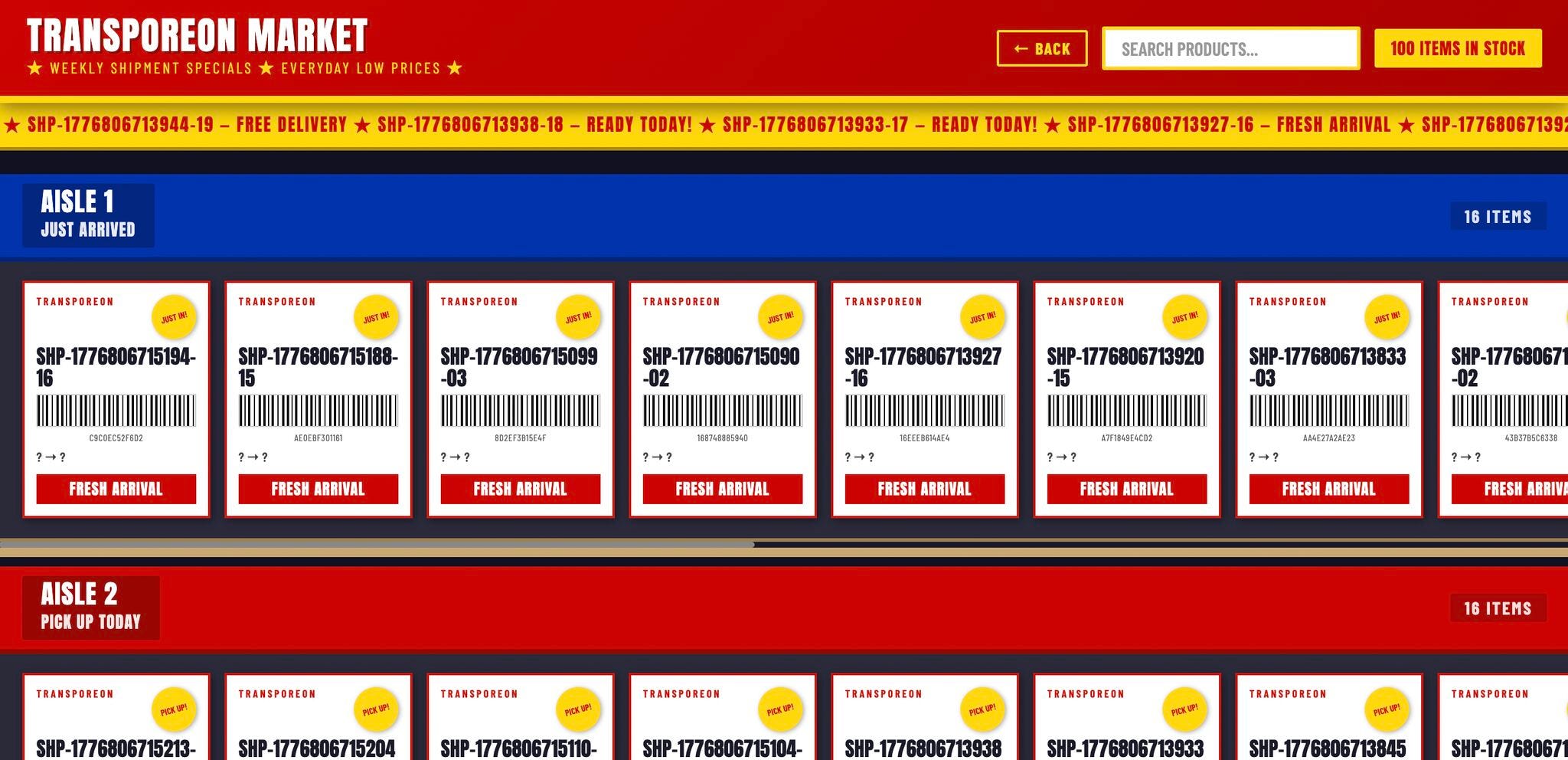
I posted a number of these on LinkedIn just to celebrate a weird proof of a 99% reduction in the cost of software creation: to elevate a tell-tale that our world is changing.
Everything is changing… but what does it mean?
This article is a longer form answer to the underlying question: what does it mean when the cost to make enterprise software falls by 99%? This is a harder question than it appears. The history of technology suggests that when something drops in cost by 99%, the first-order effect is the least interesting thing that happens.
Historical Price Cuts
Books
In the 14th century, a single hand-copied book cost as much as a house. Monks in scriptoriums would spend months, sometimes a year, producing a single manuscript. Knowledge was not merely expensive; it was structurally inaccessible. The largest library in Europe in 1300 — the University of Paris — held 300 manuscripts total.
Gutenberg’s press changed the price of a book by a factor of roughly 340. By the 1490s, a printed copy of Cicero cost a month’s salary for a schoolteacher. What followed was not, primarily, a story about cheaper books. It was the Protestant Reformation. The Scientific Revolution. The collapse of the Church’s monopoly on the interpretation of ideas. The birth of modern democracy. Cities that adopted the printing press grew 60 percentage points faster than comparable cities that did not, over the following century.
Nobody in 1450 predicted any of that. They predicted cheaper book copying.
Shipping
Before containerization, hand-loading a ship cost $5.86 per ton. Malcolm McLean’s standardized container dropped that to $0.16 per ton — a 97% reduction. What followed was not, primarily, cheaper shipping. It was the restructuring of global manufacturing, the rise of south east asia as an industrial power, supply chains that span a dozen countries for a single product, and a geopolitical order that would have been unrecognizable to anyone reasoning from first principles in 1955.
Genomics
In 2000, sequencing a human genome cost $3 billion. Today it costs under $200. What followed was not cheaper versions of the same research. It was research that was literally impossible before: personalized medicine, consumer genetic testing, the design of COVID vaccines in days rather than years.
A 99% cost collapse does not produce a cheaper version of the existing world. It produces a different world, organized around different assumptions, with different winners and losers, and populated by industries and possibilities that were not imaginable from the prior vantage point.
Enterprise software is next.
Where this leads
The interesting question — the one that will determine which organizations thrive in the next decade — is what a 99% reduction in software creation cost actually implies for the world. I want to offer four possibilities. They are not mutually exclusive. History suggests all four will materialize to some degree, in ways and combinations we cannot fully anticipate.
I. Mass Customization
Software today is built for the median customer. This is not a failure of imagination on the part of software vendors; it is a rational response to unit economics. When a product costs millions of dollars to build and must be sold to hundreds of customers to recover that cost, you build for the center of the distribution. You build what the largest number of customers can use. Edge cases are resisted. Workflows are approximated. Organizations reshape themselves to fit the software rather than the reverse.
This is the pre-Gutenberg condition. Before the press, you got whatever the monastery chose to copy. After it, you got niche texts for niche audiences — herbalists, merchants, astronomers, reformers — because the economics of production no longer required mass appeal to justify existence.
At 99% lower creation cost, the economics of software customization invert. The question shifts from “can we make an ROI for your specific workflow?” to “why would we build it any other way?” Every organization’s idiosyncratic processes, edge cases, and differentiators become candidates for software that fits them precisely, rather than approximately.
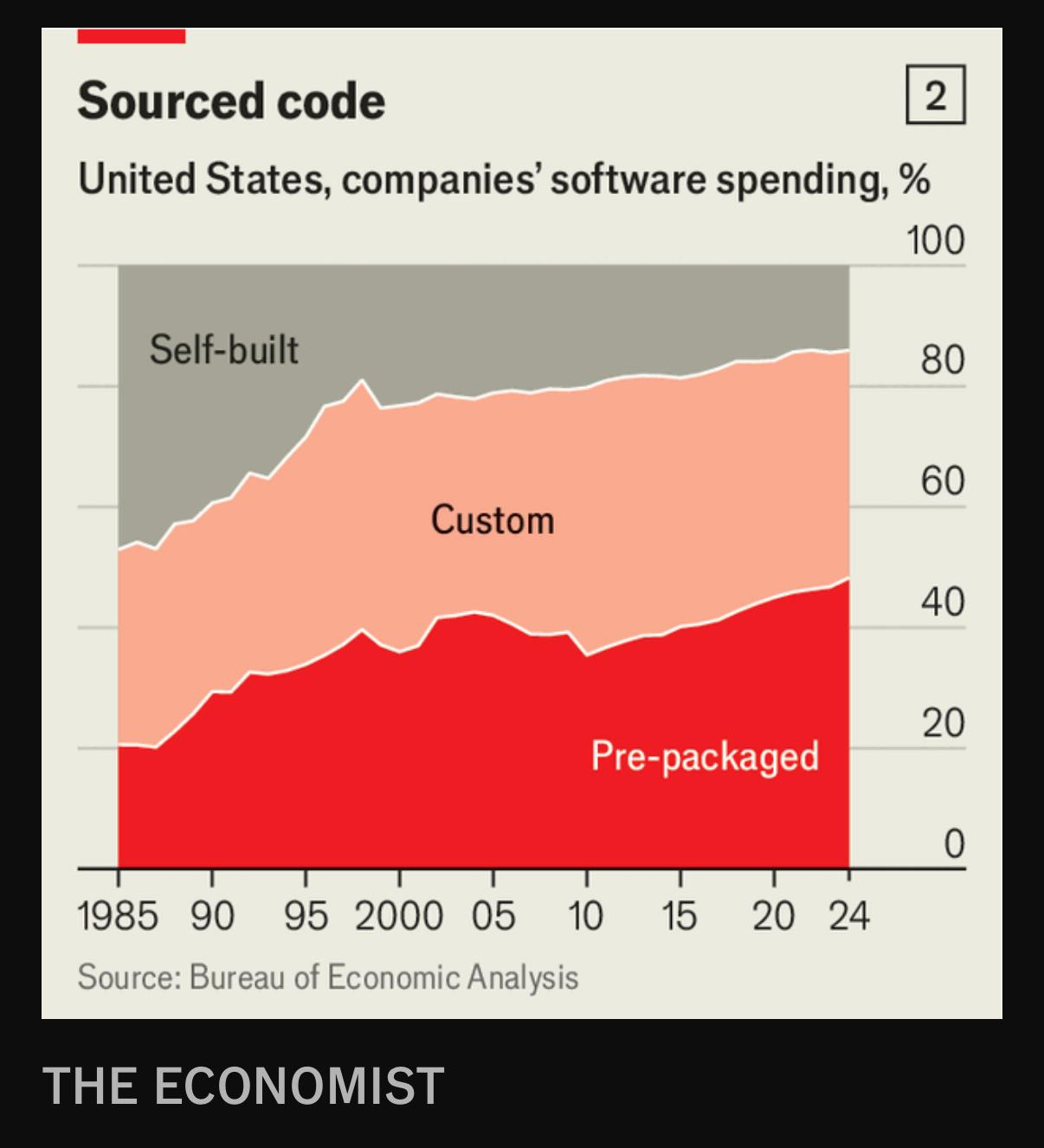
The implications for enterprise software vendors are significant and uncomfortable. A product that charges $40,000 per month for a functionally simple workflow tool — one that any competent team could now replicate in weeks — is exposed in a way it was not before. As a case in point: Klarna has already cancelled its Salesforce and Workday contracts, replacing both with internally built AI tools. This is not an isolated case. It is the early signal of a structural shift in the build-versus-buy calculus that has governed enterprise IT for thirty years. In other words, I expecta. reversal in the following chart in the years to come:
II. Software for the Previously Unserved
Solar photovoltaic energy dropped in cost by 99% between 1980 and 2020. The first-order effect was cheaper electricity for existing electricity users. The second-order effect was electricity for the 800 million people who had none — people for whom the prior cost structure meant that power plants simply did not exist as a practical option.
Software has its own version of this population. It is not small.
The small law firm running on spreadsheets and institutional memory. The rural hospital whose IT budget cannot support a modern EHR implementation. The NGO coordinating disaster relief across three continents with email and WhatsApp. The family-owned manufacturer whose production scheduling lives in the plant manager’s head. The local government agency whose permitting process is a stack of paper forms.
These are not underserved customers of existing enterprise software. They are non-customers. The prior cost structure excluded them entirely — not because the software wouldn’t have been valuable, but because the economics of building and deploying it never worked at their scale or budget.
At 99% lower creation cost, that exclusion dissolves. Software reaches domains and organizations that have never had it, solving problems that have never been addressed at scale, in ways that will look obvious in retrospect and are nearly invisible from here.
III. The Experimental Surplus
There is a subtler implication that I find interesting.
When something costs 99% less, you do not simply buy the same amount more cheaply. You experiment. The genome sequencing collapse did not produce cheaper versions of existing research programs. It produced research questions that nobody had previously thought worth asking, because the cost of asking them was prohibitive. The answer to “what happens when you can sequence a thousand genomes instead of one?” turned out to be: you discover things you could not have discovered any other way.
Software organizations today run a small number of large bets. The cost and time required to build software means that ideas must clear a high bar before they receive resources. Most ideas — including many good ones — never get built. The ones that do are the ones that survived a gauntlet of prioritization, estimation, and committee approval. The resulting software is, almost by definition, the software that looked safe enough to build. It is rarely surprising. It is rarely beautiful. It is optimized for justifiability, not for elegance.
At 99% lower cost, the calculus changes. You run 100 experiments where you ran one. Most fail. But the ones that succeed are not the ones that looked safe from the outside — they are the ones that turned out to be right. The resulting software, selected by what actually works rather than what was easy to approve, will be less vanilla and more genuinely surprising than anything produced by the prior process.
This is not a small thing. The history of technology suggests that the most important innovations are rarely the ones that were planned. They are the ones that became possible to attempt.
IV. The Commodity Horizon
The most radical possibility — and the one that requires the most careful handling — is that software itself becomes a commodity in a way we can barely conceptualize from our current position.
Clean water is an instructive analogy, though an imperfect one. There was a time when clean water was unavailable to the wealthiest people in most locations. The infrastructure required to deliver it reliably was simply beyond reach. Today, in the developed world, clean water is a utility: essentially free at the point of use, invisible, expected. We do not think about it. We do not pay meaningfully for it. We build our lives on the assumption of its presence. The same is true for sewage, and trash collection, and fire fighting, and a dozen basic services that most societies in history could never offer but are now ubiquitous and cheap.
The question is not whether software will commoditize — some of it already has, and the trend will accelerate. The question is which layer commoditizes, and what remains differentiated.
The water analogy is clarifying here. Water infrastructure became a commodity. What you do with water — beverages, agriculture, manufacturing, medicine — did not. The commodity layer enabled an enormous diversity of differentiated activity above it. The same structure is likely to emerge in software.
This has a direct implication for where organizational value lives. If the cost of producing code approaches zero, then code itself is not the asset. The asset is the judgment about what to build: the domain understanding, the insight into what the customer actually needs, the taste to recognize elegant solutions from mediocre ones. These things do not get cheaper when code gets cheaper. They become more valuable, because they are the scarce input into a production process that has otherwise been automated.
The Uncomfortable Part
Every 99% cost collapse in history has redistributed power, and not all of it has gone where the optimists predicted. There is also no law of conservation of profitability that says when software gets cheaper to make that software companies can keep being profitable in aggregate. Maybe this wipes out software as a profitable business sector.
Containerization created enormous wealth and also hollowed out port cities, eliminated longshoreman jobs by the hundreds of thousands, and contributed to the deindustrialization of regions that had organized their economies around manufacturing. The printing press enabled the Reformation and also enabled propaganda, the mass production of misinformation, and religious wars that killed millions. Cheap solar energy is restructuring geopolitics in ways that are still unfolding, and not all of the restructuring is benign.
Cheap software will redistribute power too. Some of that redistribution will be straightforwardly good: organizations that were previously excluded from the benefits of software will gain access. Some of it will be disruptive in ways that are harder to celebrate: software vendors whose products are no longer defensible, IT organizations whose value proposition was managing complexity that is now automated, developers whose skills were in producing code that AI now produces faster and more cheaply.
I am not raising this to be pessimistic. I am raising it because the organizations that navigate this transition well will be the ones that reason clearly about it — including the uncomfortable parts — rather than the ones that focus only on the upside.
Surviving the transition
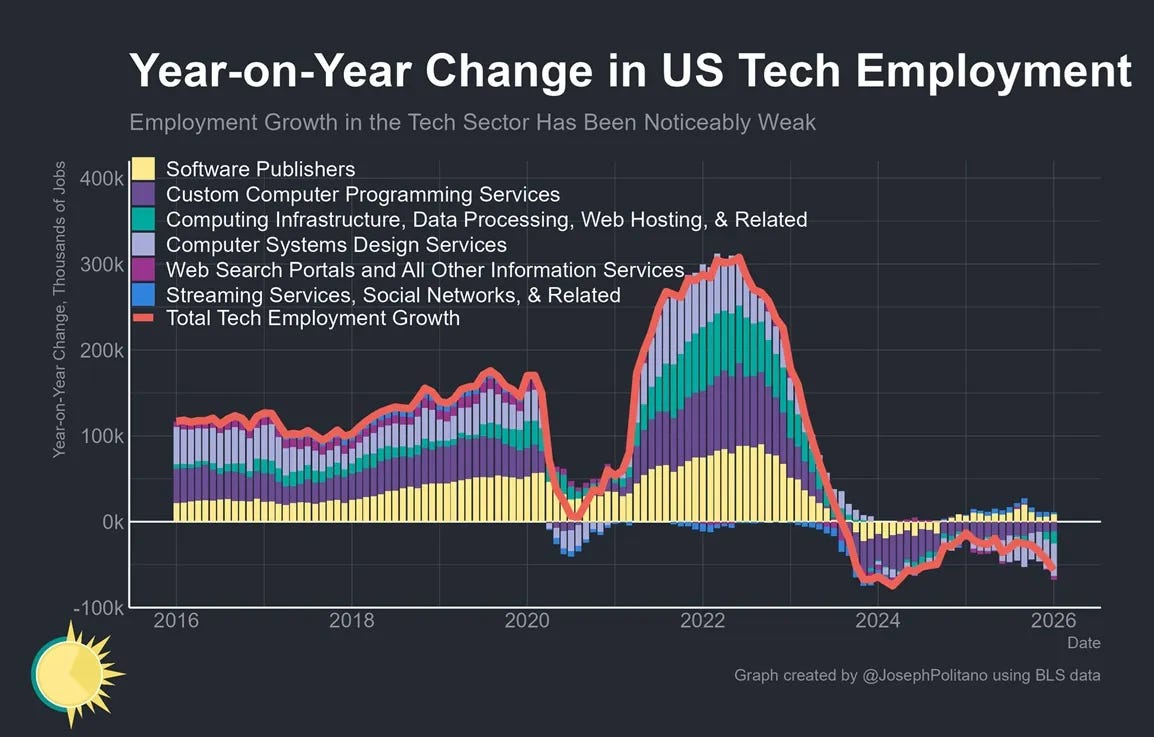
The organizations that will thrive in the next decade are not the ones that use AI to simply produce the same software but with less staff. The staff reductions are real (as the following chart shows) as a first-order effect, but it is the least interesting thing that will happen. And if its all you can imagine to do with a 99% cost reduction, then you're not really particpating in the future of enterprise software.
The organizations that will thrive are the ones that ask a different question: what would we do if software were essentially free to build, and then go do that?
The printing press did not primarily make existing readers better served. It created readers who had never existed. The shipping container did not primarily make existing trade cheaper. It made trade possible that had never been attempted. Cheap genome sequencing did not primarily make existing research faster. It made researchers out of people who had never been researchers.
The 99% cost reduction in software creation is not an optimization. It is a phase change. The organizations that treat it as the former will be outcompeted by the ones that understand it as the latter.
We are, I think, very early in understanding what this means. The monks in the scriptoriums of 1450 did not predict the Reformation. I am not going to pretend I can predict the full shape of what follows from here. But I am confident of one thing: the question worth asking is not “by how much could we reduce our headcount while making the same software” It is “what becomes possible now that wasn’t before, and are we the ones building it?”
One story for all, just recently I spent 2 months doing POC for customer trying to understand their data and flows and overlay that in 4 different tools of my company, customer didn’t like that. Feedback I got is „old fashioned software „.
Then I did setup Claude and just in 2 days build up totally new app getting rid of the clunky 4 disconnect tools…..working!!!
Thanks for the insight Jonah!
Thank you, Jonah. The analogy and the future you are predicting are very interesting. I appreciate you sharing these insights; they are extremely helpful for visualizing the future and focusing on the necessary changes.